
BlogGuide
TikTok vs YouTube Shorts vs Reels: Cut Once, Package Differently
One vertical master can feed three platforms—but captions, covers, and culture differ. Learn what to reuse and what to rewrite.
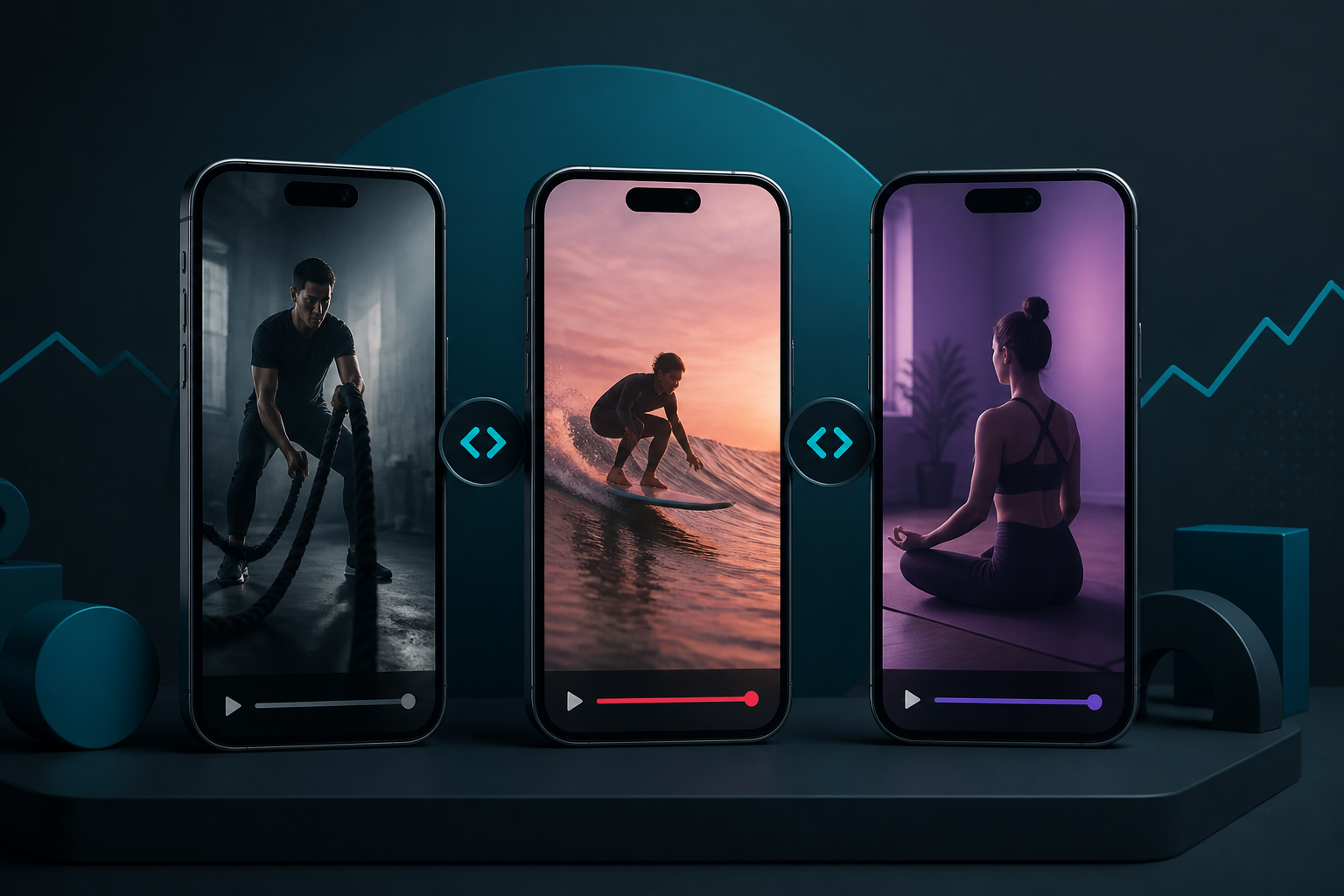
Same master, different packaging
ouTube Shorts often connect to a longer channel library. TikTok rewards conversational pacing and native trends carefully used. Instagram Reels may lean on visual identity and existing followers. These are tendencies, not rules—your analytics beat generic advice.
Export one clean 9:16 file without another platform’s watermark. Then adapt title, caption, cover, and call to action. See YouTube to Shorts, TikTok clip maker, and Instagram Reels from long videos.
What to keep identical
Keep the core claim, the visual crop, caption accuracy, and length that still feels complete. Do not ship three near-duplicates of the same weak moment just to “hit all platforms.”
Safe zones matter everywhere: leave room for interface buttons so captions do not cover faces or demos.
A simple weekly system
Process one authorized long video in ShortMatic Ai, approve a varied pack (tip, story, demo, myth), then schedule across platforms with unique post text. Track which packaging wins instead of guessing after one upload.
Rights stay constant: only publish footage you own or are allowed to reuse.
Same file, different packaging habits
A single 9:16 master can travel to TikTok, YouTube Shorts, and Instagram Reels, but packaging still differs. TikTok often rewards fast pattern interrupts and native-feeling sound; Shorts sit next to search and long-form discovery on YouTube; Reels lean on Instagram’s social graph and Stories adjacency. Reusing the video is efficient; copying the caption and cover without adaptation is lazy.
Build one clean captioned export in ShortMatic Ai, then adjust the first line of on-screen text, the post caption, and the cover frame for each network. Keep claims accurate everywhere. Cross-posting is a distribution tactic, not a guarantee of equal reach. Track which platform converts viewers into subscribers, email, or product interest rather than chasing vanity views alone.
A practical cross-post checklist
Before you upload, confirm rights to music and footage on every platform. Soften or replace trending audio if a platform’s library differs. Check caption size against each app’s UI chrome. If the clip references “subscribe” language, adapt the call to action: follow, subscribe, or visit link in bio depending on the network.
Schedule uploads when you can reply to early comments for an hour. Small engagement differences compound across platforms. For workflow steps from long source to vertical export, use how it works. Compare plan capacity on pricing if you publish multi-platform batches every week.
Common questions
Can I upload the same Shorts file everywhere?
Often yes if it is a clean master. Still rewrite post text and covers for each audience.
Which platform should I prioritize?
Prioritize where your audience already watches, then test one secondary platform with the same master.
Do hashtags need to match across apps?
No. Use a few accurate tags per platform instead of copying a giant list.
Should I upload identical Shorts to all three platforms?
You can reuse the same master file, but tweak captions, covers, and calls to action. Identical posts ignore how each feed and UI differ.
Which platform should I prioritize?
Prioritize where your audience already watches and where you can respond. Use the others as secondary distribution until one clearly drives results you care about.